Mold remediation costs in Missouri vary widely based on the size of the affected area, type of mold, location within your home, and the materials involved. For St. Charles and St. Louis homeowners, understanding these factors helps you evaluate quotes accurately and budget for this essential home repair.
The national average for mold remediation ranges from $1,500 to $3,500, but local market conditions, labor rates, and the specific challenges of Missouri's humid climate can influence your final cost. This guide breaks down exactly what you'll pay in our service area, helping you make informed decisions about protecting your home and family.
Average Mold Remediation Cost Factors in St. Charles County
For standard residential mold remediation in St. Charles County, expect costs ranging from $1,500 to $6,000 depending on project scope. This range covers most single-area projects where mold hasn't spread extensively throughout the home. Several key factors determine where your project falls within this range.
Square Footage Considerations
Larger affected areas often result in lower costs per square foot, which might seem counterintuitive. The reason is equipment staging efficiency: setting up containment barriers, HEPA air scrubbers, and negative air machines represents a significant portion of any remediation project. Once this equipment is in place, treating additional square footage adds relatively little incremental cost.
For a 50-square-foot bathroom, you might pay $25-$30 per square foot. A 300-square-foot basement might cost only $12-$15 per square foot because the same containment and air filtration equipment services the entire space. This economy of scale benefits homeowners facing larger remediation projects.
Impact of Mold Location
Where mold grows in your home significantly affects remediation cost. Attic mold typically costs more due to accessibility challenges, the need to address roof sheathing, and often extensive insulation replacement. Crawlspace remediation requires technicians to work in confined spaces, increasing labor time and difficulty. HVAC ductwork contamination is particularly expensive because it requires specialized cleaning equipment and often affects multiple rooms simultaneously.
Wall cavity mold presents unique challenges: accessing the affected area requires drywall removal, and the contamination often extends beyond visible growth. What appears as a small patch on your wall might conceal significant growth within the wall cavity, requiring more extensive remediation than initially anticipated.
Specialized Equipment Costs
Professional mold remediation requires commercial-grade equipment that ensures thorough spore removal and prevents cross-contamination. HEPA air scrubbers filter particles down to 0.3 microns, capturing mold spores that would otherwise spread throughout your home. Negative air machines create controlled airflow, ensuring spores flow toward filtration rather than into clean areas.
This equipment represents significant investment for remediation companies, and its proper use distinguishes professional remediation from inadequate DIY attempts. The equipment cost is factored into your project price, ensuring effective, lasting results.
Mold Remediation Cost by Area Size
St. Charles & St. Louis metro area pricing (2024)
| Area Type | Sq Ft Range | Cost Range |
|---|---|---|
| Small bathroom or closet | 10-50 sq ft | $500 - $1,500 |
| Single room (bedroom, office) | 100-200 sq ft | $1,500 - $3,000 |
| Basement or crawlspace | 200-500 sq ft | $2,000 - $5,000 |
| Attic remediation | 300-800 sq ft | $2,500 - $6,000 |
| Whole-home remediation | 1000+ sq ft | $5,000 - $15,000+ |
Specific Costs for High-Risk Areas: Attics, Basements, and Crawlspaces
Certain areas of your home are more susceptible to mold growth due to moisture conditions, ventilation issues, or their proximity to water sources. These high-risk areas often require specialized approaches and carry distinct cost considerations.
Attic Mold Remediation: $2,000 - $5,000
Attic mold typically results from roof leaks, inadequate ventilation, or bathroom exhaust fans improperly vented into the attic space. Missouri's temperature swings create condensation issues that many homeowners don't notice until significant growth has occurred on roof sheathing and rafters.
Attic remediation costs reflect several challenges: working in confined spaces with limited headroom, treating large surface areas of roof sheathing, and often removing and replacing contaminated insulation. If roof leaks caused the mold, repair costs are typically separate from remediation. After treatment, many attics require improved ventilation to prevent recurrence, potentially adding $500-$1,500 to address the underlying moisture issue.
Basement and Crawlspace Remediation: $1,500 - $4,000
St. Louis area basements face constant moisture challenges from high water tables, foundation seepage, and our humid summers. Crawlspaces are particularly problematic due to their contact with soil moisture and limited air circulation.
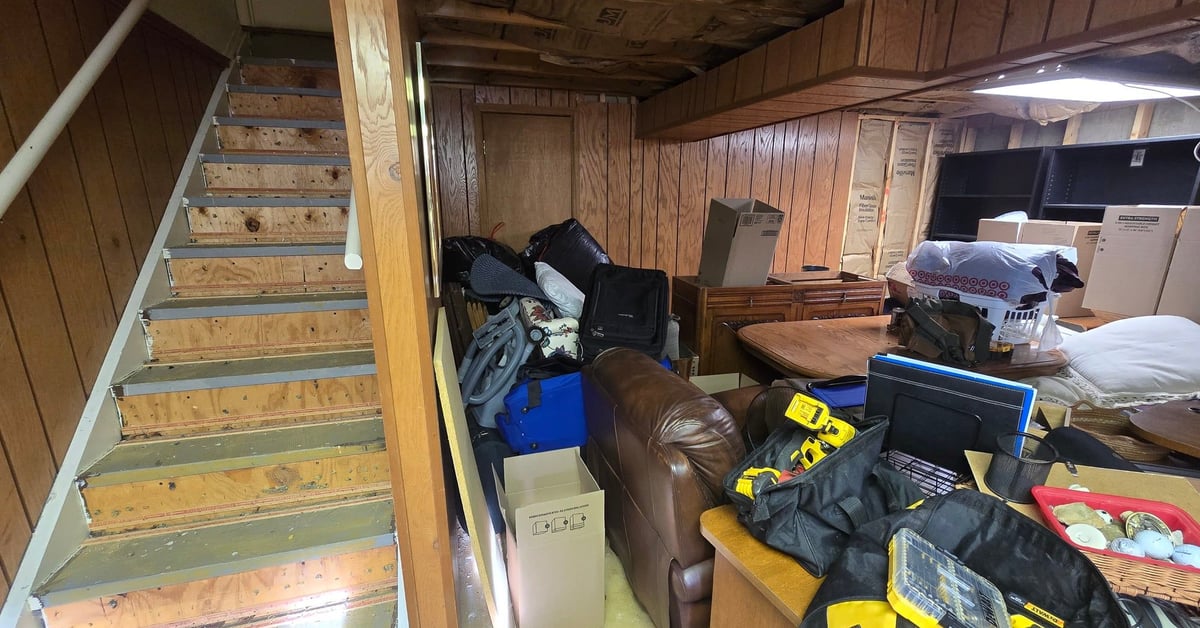
Basement remediation often involves treating structural timber (floor joists, sill plates), cleaning and sealing concrete surfaces, and addressing any affected drywall or insulation. Finished basements with carpet and drywall typically cost more because these porous materials usually require removal rather than treatment. Crawlspace work carries a premium due to confined space access and often requires vapor barrier installation ($1,000-$2,500 additional) to prevent moisture return.
Black Mold (Stachybotrys) Considerations
Toxic black mold requires enhanced safety protocols that increase project costs by 20-50% compared to common mold types. This isn't price gouging; it reflects genuine additional requirements for safe remediation.
Technicians working with black mold require full-face respirators (versus half-face masks), disposable Tyvek suits for each work session, and more rigorous decontamination procedures. Containment must be more robust, often with multiple layers of polyethylene sheeting and enhanced negative air pressure. Affected materials require careful bagging and disposal as potentially hazardous waste. Many clients request laboratory testing both before and after remediation to confirm complete removal, adding $400-$800 to project costs.
Factors That Affect Your Final Cost
Black mold (Stachybotrys) requires enhanced protocols, adding 20-50% to base cost
Porous materials require removal; non-porous can be cleaned in place
Hard-to-reach areas (crawlspaces, behind walls) increase labor time
Visible mold often indicates larger hidden colonies requiring investigation
Fixing the water source (roof, plumbing) may be separate cost
Air quality clearance testing adds $200-$500
Remediation Costs by Mold Type
Not all mold is created equal, and the type of mold in your home affects both the urgency of remediation and the cost. While professional testing is the only way to definitively identify mold species, understanding general categories helps you anticipate costs.
Common Household Mold
Cladosporium, Penicillium, Aspergillus
Standard Pricing
Standard containment and PPE protocols. Represents 80% of residential cases.
Toxic Black Mold
Stachybotrys chartarum
+20-50% Premium
Enhanced PPE, stricter containment, specialized disposal, recommended testing.
Regardless of mold type, any visible growth larger than 10 square feet warrants professional assessment. Even common mold types can cause health issues for sensitive individuals, and improper removal spreads contamination throughout your home.
Understanding Insurance Coverage for Mold Remediation
Missouri homeowners often wonder whether their insurance will cover mold remediation costs. The answer depends on how the mold problem started and the specific terms of your policy.
When Insurance Typically Covers Mold
Most standard homeowner policies cover mold remediation when it results from a "sudden and accidental" covered peril. Examples include:
- A burst water pipe that causes water damage and subsequent mold growth
- Appliance failures (water heater, washing machine) that cause flooding
- Storm damage that allows water intrusion
- Firefighting water damage leading to mold
When Insurance Usually Won't Cover
Insurance companies typically exclude mold resulting from:
- Long-term leaks that went unrepaired
- Poor maintenance or neglect
- Chronic humidity without a specific water event
- Flood damage (requires separate flood insurance)
- Known conditions that weren't addressed
Mold Coverage Limits and Riders
Many Missouri insurers offer "mold riders" or endorsements that provide dedicated mold coverage. These typically have caps ranging from $5,000 to $25,000 and cost $50-$100 annually. If you live in an older home or area prone to moisture issues, this coverage can be valuable.
Even without a specific mold rider, your policy may include limited mold coverage (often $5,000-$10,000) as part of your standard dwelling coverage. Review your policy carefully or contact your agent to understand your specific coverage.
Pro Tip: Document Everything
If you're filing an insurance claim, document the mold and its source thoroughly with photos and videos before any cleanup begins. Eversafe Restoration provides detailed documentation including moisture readings, affected area measurements, and photographic evidence to support your claim.
Why Professional Remediation Is Worth the Investment
The temptation to handle mold removal yourself is understandable, especially when professional remediation costs seem high. However, DIY mold removal often costs more in the long run and can create serious health and safety risks.
The True Cost of Failed DIY Remediation
When DIY mold removal fails, you pay for professional remediation anyway, often for a larger affected area than you started with. Improper removal spreads spores through your HVAC system, potentially contaminating rooms that were previously mold-free. We frequently see projects where a $2,000 initial remediation becomes a $5,000+ job after failed DIY attempts.
Health Risks Without Proper Protection
Professional-grade respiratory protection (P100 respirators) costs $40-$60, and disposable protective suits add another $15-$25 per work session. HEPA vacuums capable of capturing mold spores start at $300. Without this equipment, you're exposing yourself to concentrated spore levels that can cause respiratory distress, especially if you're working with toxic black mold.
When DIY Might Be Acceptable
For very small areas (under 10 square feet) of surface mold on non-porous materials, careful DIY cleaning may be appropriate. This might include mold on bathroom tile, glass, or metal surfaces. Use appropriate respiratory protection, never mix cleaning chemicals, and ensure the area is well-ventilated. If mold returns after cleaning, professional assessment is needed.
DIY Mold Removal Risks
- • Spreads spores to other areas via HVAC
- • Health exposure without proper PPE
- • Surface cleaning misses root growth
- • No containment allows cross-contamination
- • Often leads to larger remediation later
Professional Remediation Benefits
- • Proper containment prevents spread
- • IICRC-certified technicians and methods
- • HEPA filtration captures all spores
- • Addresses moisture source to prevent return
- • Warranty and post-remediation testing available
For a detailed comparison, read our guide: Professional Mold Removal vs. DIY: When to Call a Specialist
How to Get an Accurate Mold Remediation Estimate
Getting accurate estimates protects you from surprises and helps you compare quotes fairly. Here's what to expect from a professional assessment and what questions to ask.
What a Quality Assessment Includes
A thorough mold assessment should include visual inspection of all potentially affected areas, moisture mapping using specialized meters, and identification of the water source that caused the mold growth. The assessor should check behind accessible walls, inside cabinets, and in adjacent areas that might have hidden growth.
Quality estimates provide line-item breakdowns showing containment setup, remediation labor, material removal and disposal, antimicrobial treatment, and any necessary reconstruction. Beware of estimates that provide only a single total without explanation.
Questions to Ask Every Contractor
- Are your technicians IICRC certified in mold remediation?
- What containment methods will you use?
- How will you prevent spores from spreading during removal?
- Will you address the moisture source, or is that separate?
- Is post-remediation testing included or available?
- What warranty do you offer on your work?
- Are you properly insured for mold remediation work?
Red Flags to Watch For
Be cautious of contractors who provide quotes without seeing the affected area, promise unrealistically low prices, pressure you to sign immediately, or suggest they can "just spray some bleach" to solve the problem. Professional remediation requires proper containment and equipment; shortcuts lead to recurring problems.
Get Your Free Mold Remediation Estimate
Eversafe Restoration provides free, no-obligation assessments for St. Charles, O'Fallon, St. Peters, and the entire St. Louis metro area. Our IICRC-certified technicians will evaluate your situation and provide a detailed, honest estimate.
24/7 Emergency Service Available | Free Estimates | Locally Owned & Operated