Compassionate Guide for Families

How to Help a Loved One with Hoarding Disorder

A compassionate guide for families navigating the challenges of hoarding disorder. Learn how to communicate effectively, understand when professional help is needed, and support your loved one's journey to a safer home.

If you're reading this guide, you likely have a parent, sibling, child, or close friend who is struggling with hoarding. Maybe their home has become unsafe. Maybe you've noticed they can no longer use their kitchen or bathroom properly. Maybe you've received a call from worried neighbors or authorities. Whatever brought you here, please know that you're not alone, and there is a path forward.

Hoarding disorder affects an estimated 2-6% of the population, which means millions of families across America are facing the same challenges you are right now. It's more common than most people realize because shame and stigma keep it hidden. Many families struggle in silence, not knowing where to turn or how to help without making things worse.

This guide is designed to help you understand hoarding disorder from a compassionate perspective, communicate more effectively with your loved one, recognize when professional help is needed, and take practical steps toward creating a safer living environment. We've helped hundreds of families throughout Saint Charles, O'Fallon, St. Peters, and the greater St. Louis area navigate these difficult situations, and we've learned what works and what doesn't.

Important Note

This guide is not a substitute for professional mental health care. Hoarding disorder is a recognized condition in the Diagnostic and Statistical Manual of Mental Disorders (DSM-5), and individuals often benefit from working with therapists who specialize in this area. Our role as a professional cleanup service is to address the physical environment, but lasting change typically requires addressing the underlying psychological factors as well.

Understanding the Condition

Understanding Hoarding Disorder and the Need for Compassion

Before you can effectively help, you need to understand what hoarding disorder truly is, and equally important, what it is not.

Hoarding Is Not About Being Messy or Lazy

One of the most harmful misconceptions about hoarding is that it's simply extreme laziness or a lack of cleaning skills. This couldn't be further from the truth. Hoarding disorder is a complex mental health condition that was formally recognized in the DSM-5 in 2013. It's characterized by persistent difficulty discarding possessions, regardless of their actual value, due to a perceived need to save them and distress associated with discarding them.

People who hoard often experience strong emotional attachments to their possessions. An old newspaper might represent security because it contains information that 'might be needed someday.' A broken appliance might feel impossible to discard because it was a gift from a deceased parent. A pile of clothes might represent future possibilities or past memories. To someone without hoarding disorder, these attachments seem irrational, but to the person experiencing them, they feel very real and very important.

Hoarding disorder frequently co-occurs with other mental health conditions, including anxiety disorders, depression, ADHD, and obsessive-compulsive disorder. It may develop after traumatic events such as the loss of a loved one, a divorce, or a significant life change. Understanding these connections helps explain why simply cleaning out a home rarely solves the problem without addressing the underlying psychological factors.

Health and Safety Risks of Hoarding

  • Fire hazards: Blocked exits, combustible materials near heat sources, overloaded electrical outlets
  • Structural strain: Excessive weight can damage floors, ceilings, and load-bearing walls
  • Air quality issues: Dust, mold spores, animal dander, and other allergens accumulate
  • Fall risks: Narrow pathways, unstable piles, and hidden obstacles
  • Biohazards: Expired food, animal waste, pest infestations, and mold

Why Compassion Is Essential

  • Criticism and shame make hoarding worse, not better
  • Your loved one likely already feels embarrassed and isolated
  • Trust is essential for any cleanup to have lasting results
  • Forced cleanouts often lead to rapid re-accumulation
  • The person needs to feel supported, not attacked

Discretion Matters

At Eversafe Restoration, we understand that privacy is paramount for families dealing with hoarding situations. The stigma surrounding hoarding can prevent people from seeking help, and the fear of neighbors judging them or seeing cleanup trucks outside their home adds another barrier. That's why we offer unmarked vehicles as part of our 'Quiet Arrival' policy. Our plain white trucks have no logos or markings, and our technicians can wear plain clothes when requested. We work to minimize visibility and protect your loved one's dignity throughout the process.

Communication Strategies

How to Talk to a Loved One About Hoarder House Cleaning

The way you approach the conversation can make the difference between progress and pushback. Here's what we've learned works best.

Talking to someone about their hoarding is one of the most difficult conversations a family member can have. It's emotional, it's uncomfortable, and it's easy to say the wrong thing and make the situation worse. The key is to approach the conversation from a place of love and concern for their wellbeing, not frustration about their mess.

1

Use 'I' Statements Instead of 'You' Accusations

Avoid saying:

"Your house is disgusting. You need to clean up this mess."

Try saying:

"I worry about your safety. I'm afraid you couldn't get out quickly if there was a fire."

'You' statements feel like attacks and put people on the defensive. 'I' statements express your feelings and concerns without blame, making it easier for your loved one to hear you without shutting down.

2

Focus on Safety, Not Appearance

Comments about how the home looks feel like personal attacks on who your loved one is. But concerns about safety are harder to argue with and come from a place of caring. Focus conversations on practical safety issues:

  • Can they exit quickly in an emergency?
  • Can they use their kitchen safely?
  • Is their bathroom accessible?
  • Are there fall hazards in walkways?
3

Adopt the 'Harm Reduction' Model

The harm reduction approach focuses on immediate safety improvements rather than complete transformation. Instead of demanding a total cleanout (which feels overwhelming and threatening), work toward small, achievable goals:

Clear Exits

Ensure safe escape routes

Kitchen Access

Safe food preparation

Bathroom Use

Basic hygiene access

4

Why Forcing a Cleanup Backfires

It might be tempting to take matters into your own hands, especially if you're worried about your loved one's safety. But forced cleanouts, where family members or hired help remove items without the person's consent, almost always backfire. Here's why:

  • Trauma response: Forced removal of possessions can feel like a violation and cause lasting psychological damage
  • Rapid re-accumulation: Studies show that forced cleanouts are typically followed by the home returning to its previous state, often within months
  • Relationship damage: The person may never trust you again, making future help impossible
  • Doesn't address root cause: Without treating the underlying condition, the behavior continues
5

Partner with Local Mental Health Resources

For lasting success, physical cleanup should be paired with mental health support. Here in the St. Charles and St. Louis area, there are therapists, support groups, and programs that specialize in hoarding disorder. We can provide referrals to trusted professionals who understand this condition.

A collaborative approach, where mental health professionals work alongside cleanup professionals, gives your loved one the best chance of maintaining improvements over the long term. The therapist addresses the psychological factors that drive hoarding behavior, while we address the physical environment.

Professional Help

The Professional Hoarding Remediation Process

Understanding what professional cleanup involves can help you explain the process to your loved one and set realistic expectations.

Sorting vs. Junk Removal: A Critical Difference

One of the most important distinctions to understand is the difference between professional hoarding cleanup and standard junk removal services. Junk removal companies are designed for speed. They come in, throw things in a truck, and leave. This approach is completely inappropriate for hoarding situations.

Professional hoarding cleanup involves careful, compassionate sorting. Our technicians are trained to look for hidden valuables, important documents, and sentimental items that might be buried in the accumulation. We check pockets of clothing, flip through books (people often store cash in books), and examine every box and container before anything is removed. Families are often amazed at what we find: old photographs, jewelry, stock certificates, cash, and irreplaceable family heirlooms that would have been thrown away by a junk removal company.

What Our Technicians Look For:

Cash and coins
Jewelry
Legal documents
Photographs
Tax records
Heirlooms
Collectibles
Stock certificates

Our 4-Phase Process

How we approach every hoarding cleanup

1

Confidential Assessment

Private walkthrough to understand scope and needs

2

Compassionate Sorting

Careful separation of items with family involvement

3

Biohazard Removal

Safe disposal of hazardous materials per OSHA protocols

4

Deep Cleaning & Sanitization

Restore the home to safe, healthy condition

Request a Confidential Consultation

Free estimates. No obligation. Complete privacy.

Addressing Hidden Biohazards

Many hoarding situations involve biohazardous conditions that require specialized handling. These may not be visible from the surface but can pose serious health risks. Common biohazards in hoarding situations include:

  • Animal waste: Accumulated pet urine and feces can saturate flooring and subfloor, creating ammonia exposure risks and harboring harmful bacteria
  • Expired food: Decomposing food attracts pests and creates bacterial hazards
  • Mold: Hidden water damage under piles can lead to significant mold growth that isn't visible until items are removed
  • Sharps: Needles, broken glass, and other sharp objects may be buried in piles
  • Pest infestations: Rodents, insects, and other pests thrive in cluttered environments

Our IICRC-certified technicians are trained to identify and safely handle these hazards. We use proper personal protective equipment, follow OSHA protocols for biohazard disposal, and use EPA-registered disinfectants to ensure the home is truly safe after cleanup, not just clean-looking.

Deep Cleaning and Odor Removal

Once items are removed and sorted, the real restoration work begins. Years of accumulation leave behind significant contamination that requires professional-grade cleaning. Our deep cleaning process includes:

  • HEPA vacuuming of all surfaces to remove fine particles and allergens
  • Hospital-grade disinfection of floors, walls, and fixtures
  • Enzyme treatments for organic odors (pet waste, food decomposition)
  • Ozone or hydroxyl treatment for pervasive odors
  • HVAC cleaning when ductwork has been contaminated

The goal is not just a clutter-free home, but a genuinely healthy living environment where your loved one can safely live and breathe. In some cases, we may recommend replacing flooring, drywall, or insulation that has been permanently damaged by moisture or contamination.

Post-Cleanup: Setting Up for Long-Term Success

The cleanup is just the beginning. Without addressing the underlying factors and putting systems in place, re-accumulation is likely. Here's what we recommend for long-term success:

Mental Health Support

Connect with a therapist who specializes in hoarding disorder. Cognitive behavioral therapy has been shown to be effective for many people. We can provide referrals to trusted professionals in the St. Charles and St. Louis area.

Support Groups

Groups like Clutterers Anonymous provide peer support and accountability. Knowing others understand what you're going through can be incredibly powerful.

Regular Check-Ins

Schedule regular visits with your loved one. Staying connected helps you notice early warning signs of re-accumulation before it becomes overwhelming again.

Professional Follow-Up

We offer maintenance visits for families who want periodic professional support to help their loved one maintain the improvements. Sometimes having a scheduled visit creates helpful accountability.

Recognizing the Signs

When Is It Time to Call Professionals?

Not every cluttered home requires professional intervention. Here are signs that it's time to seek help.

Safety Emergency Signs

  • ! Exits are blocked or difficult to access
  • ! Kitchen or bathroom cannot be used safely
  • ! Visible mold, pest infestation, or strong odors
  • ! Notice from health department or code enforcement
  • ! Structural concerns (sagging floors, cracking walls)

Quality of Life Concerns

  • ! They can no longer have visitors or family over
  • ! Essential maintenance can't be performed
  • ! They express feeling overwhelmed or trapped
  • ! Previous cleanup attempts have failed
  • ! Family conflict is escalating due to the situation

If any of these signs apply to your loved one's situation, it may be time to bring in professional help. Remember, seeking help is not giving up on them. It's getting them the specialized support they need. Just as you would call a doctor for a medical condition, calling a hoarding cleanup specialist is the appropriate response to a situation that has exceeded what family members can safely handle.

Portfolio

Transformations That Restore Dignity

See the results of our compassionate hoarding cleanup work throughout Saint Charles County. Every project is handled with discretion and care.

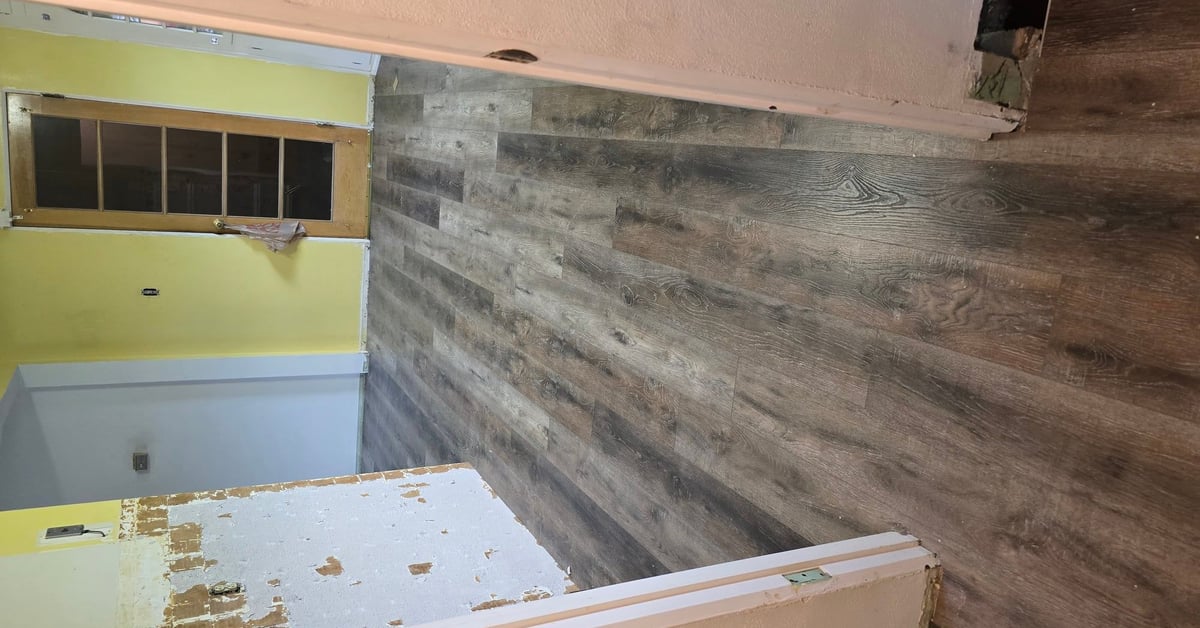
Basement with partial new flooring installation during restoration after water damage

Basement Flooring Restoration Work in Progress

Overhead view into a basement area during renovation, featuring partially installed dark wood-grain laminate or vinyl plank flooring covering most of the floor space. Yellow painted drywall walls on both sides, an open wooden door with glass panels, a white bathtub or shower enclosure in the corner, exposed subfloor in patches, minor debris, and construction edges visible. Suggests water damage restoration with flooring replacement underway.

Empty room with new gray LVP flooring, orange dehumidifier, ladders, and open door during restoration work

Room Restoration with New LVP Flooring and Equipment

Spacious empty room during restoration work, featuring freshly installed gray luxury vinyl plank (LVP) flooring throughout. An orange commercial air mover/dehumidifier is plugged in and operating in one corner, with orange extension cords nearby. Two aluminum ladders—one extended and one folded—are leaning against the wall, along with a broom, cardboard sheet, and minor wall patch. White walls, large window with view of grass outside, open door showing red truck parked on gravel driveway. Clean, well-lit space with visible electrical outlets and switch plate.
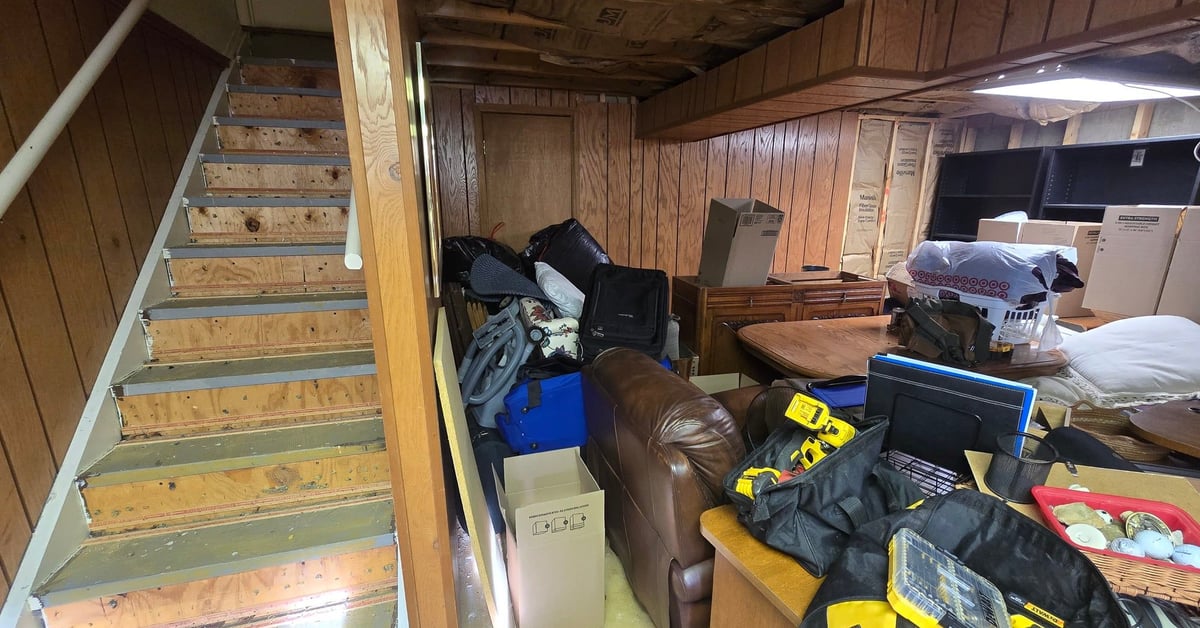
Cluttered basement storage area with furniture, boxes, and tools before restoration begins.

Cluttered Basement Before Restoration Work

A cluttered unfinished basement with wooden paneled walls, exposed wooden beams and pink insulation on the ceiling. A wooden staircase with railing descends from the left side. The floor space is filled with household items including a brown leather armchair, wooden desk cluttered with tools like a yellow drill and cases, multiple cardboard boxes, blue plastic bins, black garbage bags, pillows, baskets, and scattered debris. Fluorescent lighting illuminates the area, suggesting preparation for cleanup or restoration.
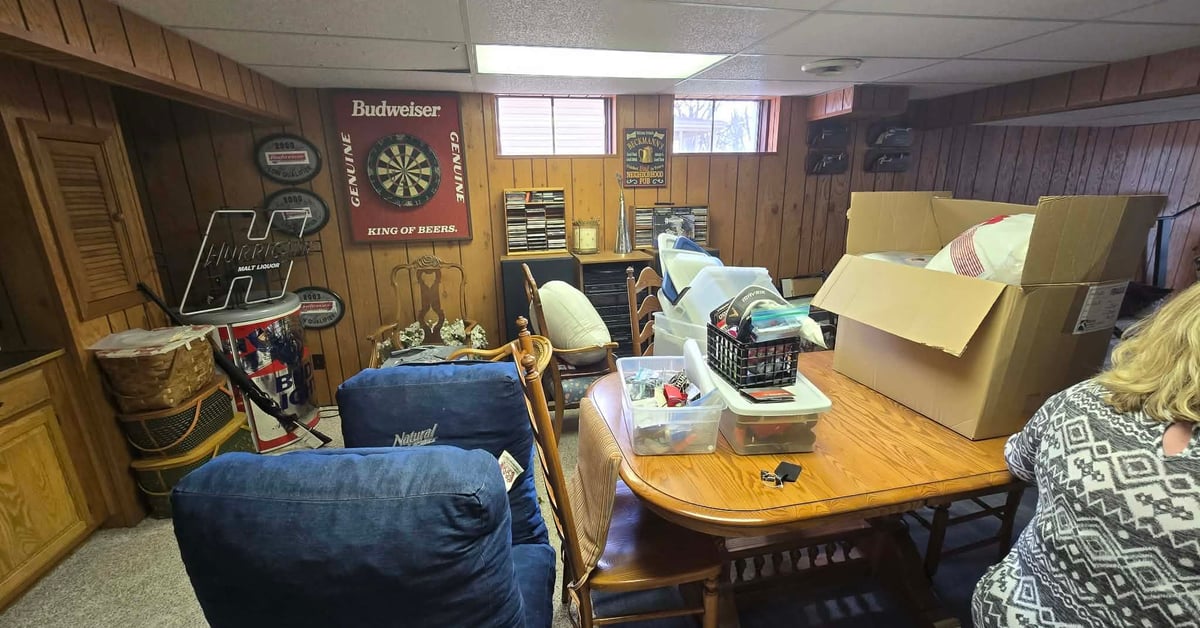
Cluttered basement recreation room with wood paneling, dartboard, table full of boxes, chairs, and a woman standing nearby.

Cluttered Wood-Paneled Basement Rec Room

A basement recreation room with dark wood paneling on walls and ceiling, illuminated by fluorescent lights. Features include a dartboard with Budweiser branding, neon signs, shelves with beer memorabilia, wooden bar stools, blue upholstered armchairs, and an oval wooden table piled high with cardboard boxes, plastic storage bins, and miscellaneous items. A decorative barrel drum sits in one corner, and a woman with long blonde hair in a patterned top stands near the table. The space appears lived-in and cluttered, suggesting preparation for cleanup or restoration.
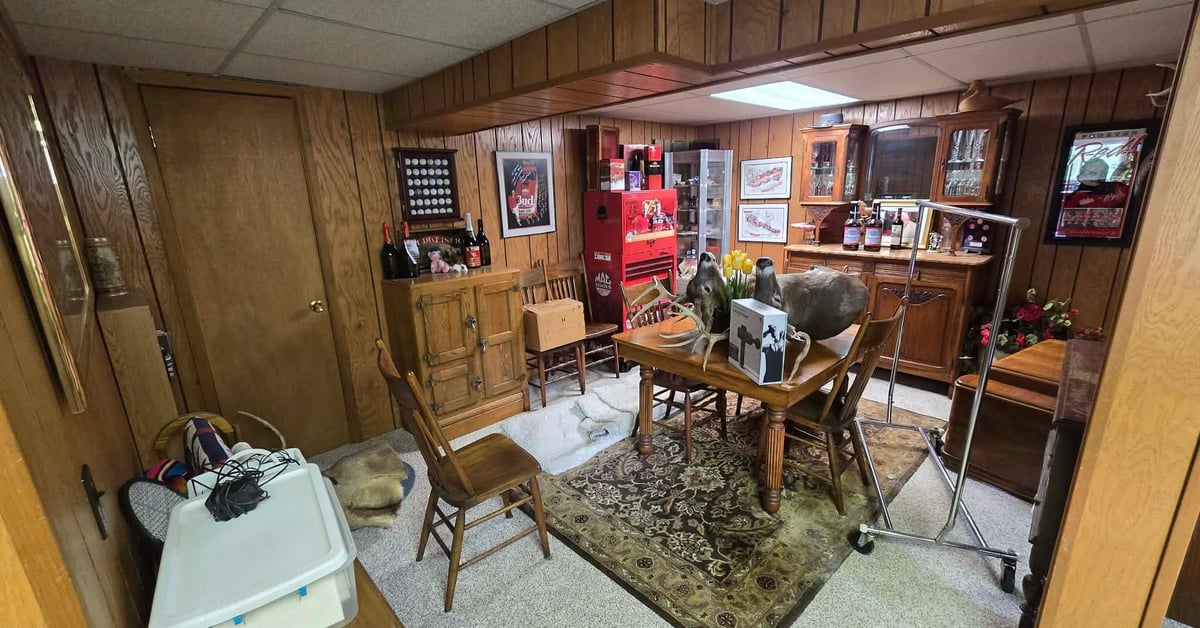
Cluttered basement bar area with wood paneling and vintage decor before restoration services.

Cluttered Wood-Paneled Basement Bar Before Restoration

A detailed view of a finished basement recreation room with dark wood paneling on walls and ceiling, featuring a vintage red Coca-Cola vending machine, wooden bar cabinets stocked with liquor bottles, glasses, and memorabilia, a wooden dining table with four chairs, an office printer on a stand, area rugs, potted plants, framed posters, shelves with collectibles, and a clothes rack. The space appears lived-in and cluttered, suggesting a need for cleanup and restoration, likely due to potential water damage common in basements.
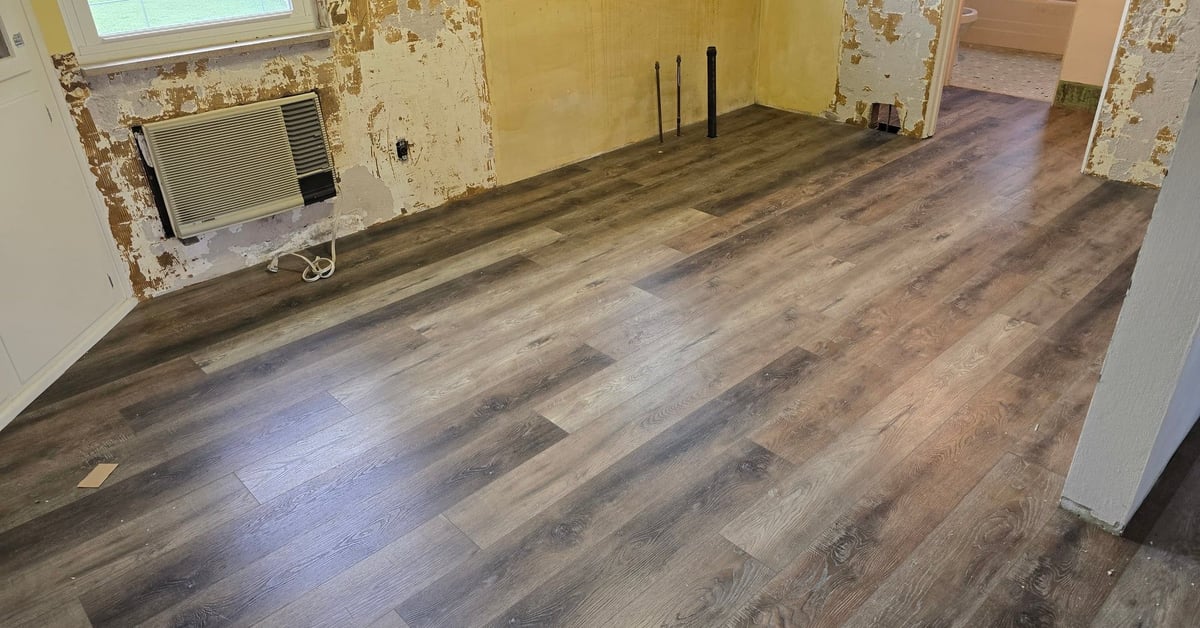
Renovation in progress: peeling water-damaged walls, new wood-look flooring, and adjacent bathroom with tub.

Water Damaged Bathroom Walls with New Flooring

A room undergoing restoration shows severely damaged walls with peeling yellowed plaster and exposed wooden studs, particularly around a window-mounted air conditioning unit. Freshly installed dark laminate flooring with a wood-grain pattern covers the entire floor. An open doorway reveals an adjacent bathroom featuring a white bathtub and tiled walls. Two metal poles stand in one corner, and minor debris is present, indicating active renovation work likely due to prior water damage.

Testimonials

Families Who Found Help

Hear from families who trusted us during one of the most difficult times in their lives. We're honored to have helped them support their loved ones.

5.0from 6 reviews
G

"Chad fixed my mold. He explained to me exactly how the mold happened and why it would not happen again. He was very kind to me. I explained I was suffering from a medical level of anxiety and he was very understanding. Every day, Chad made sure to communicate clearly and keep me informed throughout the entire process."

BG

Bob Gaines

3 months ago

G

"Eversafe Restoration was incredible to work with. We had unexpected water damage and Chad responded quickly and professionally. He explained everything clearly and made sure we understood the repair process. The crew was efficient and thorough. Highly recommend!"

AH

Andrea Herron

6 months ago

G

"They took care in giving me the best service. Very detailed oriented in repairing and finishing moisture damage in my home. They did such an excellent job, I won't think twice about calling Eversafe for anymore restoration needs I have in the future!"

RM

Ryan McGovern

6 months ago

G

"11/10 would recommend! Great job, great price, and it took them no time at all."

CH

Corey Holmes

3 months ago

G

"Did a great job."

MG

Matt Guthrie

6 months ago

G

"Excellent service from start to finish. Professional and reliable."

DB

Destiny Boschert

6 months ago

Read more reviews on:
FAQ

Frequently Asked Questions About Hoarding Cleanup

Get answers to the most common questions families have when considering professional help for a loved one's hoarding situation.

How do I talk to a hoarder about cleaning?

The most important thing is to lead with empathy, not criticism. Hoarding disorder is a recognized mental health condition in the DSM-5, and telling someone to 'just clean up' is as ineffective as telling someone with depression to 'just cheer up.' Start by expressing concern for their safety and wellbeing using 'I' statements, such as 'I worry about you being able to get out safely if there was a fire' rather than 'Your house is a mess.' Focus conversations on safety rather than appearance. If possible, involve a neutral third party like a professional hoarding cleanup team or therapist who specializes in hoarding disorder. This removes some of the emotional charge from the conversation and allows for more productive dialogue. Remember that the goal of initial conversations is to open communication, not to force immediate action.

Is hoarding cleanup covered by insurance in Missouri?

Standard homeowners insurance policies in Missouri typically do not cover hoarding cleanup itself. However, coverage may be available if the hoarding situation has led to secondary damage that is covered by your policy. For example, if hoarding has resulted in water damage from a burst pipe, mold growth from moisture accumulation, or pest infestation, those specific remediation services may be covered. Additionally, some policies have 'mold riders' or endorsements that could apply. We have extensive experience working with Missouri insurance companies and can help document any secondary damage that might qualify for coverage. Our team provides detailed reports with photographs, moisture readings, and itemized estimates that insurance adjusters need. We recommend reviewing your specific policy or speaking with your insurance agent, and we are always happy to assist with the documentation process to maximize any available coverage.

How much does hoarder house cleaning cost?

Hoarding cleanup costs in the St. Charles and St. Louis metro area typically range from $1,500 to $15,000 or more, depending on several factors. The primary cost drivers include the volume of accumulated items (floor-to-ceiling accumulation costs more than moderate clutter), the presence of biohazards such as animal waste, expired food, or mold (which require specialized handling and disposal), and the square footage of the affected areas. Labor hours are a significant component, as proper hoarding cleanup involves careful sorting, not just removal. We never charge by the pound or use other pricing methods that might incentivize rushing through the process. Instead, we provide free, confidential on-site consultations where we assess the scope of work and provide a detailed written estimate with no hidden fees. We can also discuss payment plans for larger projects.

What is the difference between junk removal and hoarding cleanup?

The differences are significant, and understanding them is crucial before choosing a service. Junk removal companies focus on rapid removal of items with minimal sorting. They are not trained to handle biohazardous materials, and they typically have no understanding of hoarding disorder as a mental health condition. They may inadvertently throw away valuable items, important documents, or irreplaceable family heirlooms hidden among the clutter. Professional hoarding cleanup, in contrast, involves trained technicians who understand the psychological aspects of hoarding. We carefully sort through every item, checking pockets, boxes, and hidden spaces for cash, jewelry, legal documents, and sentimental items. When biohazards are present, such as animal waste, expired food, sharps, or bodily fluids, we follow OSHA protocols for safe handling and disposal. Most importantly, we work at a pace that respects the emotional needs of the individual and family, minimizing trauma and reducing the likelihood of rapid re-accumulation.

Can I be evicted for hoarding in St. Charles County?

Yes, hoarding can lead to eviction or code enforcement action in St. Charles County and throughout Missouri. Fire codes require clear egress paths to exits, and when hoarding blocks doorways, windows, or stairways, it creates a life safety violation that authorities take seriously. Health department standards also apply when accumulation creates unsanitary conditions, pest infestations, or structural concerns. If you or a loved one has received a notice from the city, county, or health department, it is important to take it seriously, but also know that remediation is often an acceptable solution. Professional hoarding cleanup can address the violations and demonstrate compliance to authorities. We have worked with numerous families facing code enforcement deadlines and can often help expedite the cleanup process to meet those timelines. If you are a landlord or property manager dealing with a hoarding tenant, we can provide documentation of the remediation work that may be helpful for legal proceedings.

How long does a professional hoarding cleanup take?

Most hoarding cleanups take between 2 to 5 days for a standard single-family home, though the timeline varies based on several factors. The level of accumulation (moderate clutter versus floor-to-ceiling in every room) significantly impacts duration. The presence of biohazards requiring specialized handling adds time. The size of the property and whether all rooms are affected also matter. For extreme cases or very large properties, we may recommend a phased approach that spreads the work over multiple visits, which can also be easier emotionally for the individual affected by hoarding disorder. Our professional crews work efficiently because we have the proper equipment, training, and team size to handle large-scale cleanouts. What might take a family weeks to accomplish on their own can often be completed in days by our trained technicians. During our free consultation, we provide a realistic timeline estimate so you can plan accordingly.

What safety gear do professionals use for hoarding situations?

Professional hoarding cleanup requires serious safety equipment because of the potential hazards present in accumulated environments. Our IICRC-certified technicians wear N95 or higher respirators to protect against airborne particles, dust, mold spores, and unpleasant odors. Puncture-resistant gloves protect against sharps like needles, broken glass, or metal edges hidden in piles. Depending on the conditions, we may use full-body Tyvek protective suits to prevent contact with biohazardous materials. Steel-toed boots protect feet from heavy items and hidden hazards on the floor. For severe biohazard situations involving animal waste, human waste, or decomposition, we use full-face respirators with organic vapor cartridges. All of this equipment meets or exceeds OSHA requirements for the specific hazards present. This level of protection is one reason professional cleanup is safer and more effective than attempting to clean a hoarding situation without proper training and equipment.

Do you provide unmarked trucks for hoarding cleanup?

Yes, we absolutely understand that privacy is a major concern for families dealing with hoarding situations. We offer what we call our 'Quiet Arrival' policy, which includes unmarked white trucks and vans with no company logos or any indication of the services being performed. Our technicians can wear plain clothes rather than branded uniforms when discretion is requested. We coordinate arrival times to minimize visibility to neighbors and can use side entrances, back doors, or garages when available to keep our presence as inconspicuous as possible. We also use plain cardboard boxes and opaque bags rather than labeled containers when removing items. Your privacy and dignity are important to us, and we take every reasonable step to ensure the cleanup process does not draw unwanted attention from neighbors or passersby. Just let us know during your consultation that you would like discreet service, and we will make the appropriate arrangements.

Still have questions?

We're here to help you find the answers.

Contact Us

You Don't Have to Face This Alone

Watching someone you love struggle with hoarding is heartbreaking. The worry, the frustration, the feeling of helplessness, we understand. Our team has helped hundreds of families throughout Saint Charles County navigate this challenge with compassion and professionalism. Let us help you too.

All conversations are completely confidential. We offer free consultations with no obligation.

Available Now

Ready to Help Your Loved One?

Our Saint Charles team provides compassionate, discreet hoarding cleanup services. We're here to support your family through this challenging time.

Free Estimates
Same Day Service
Licensed & Insured